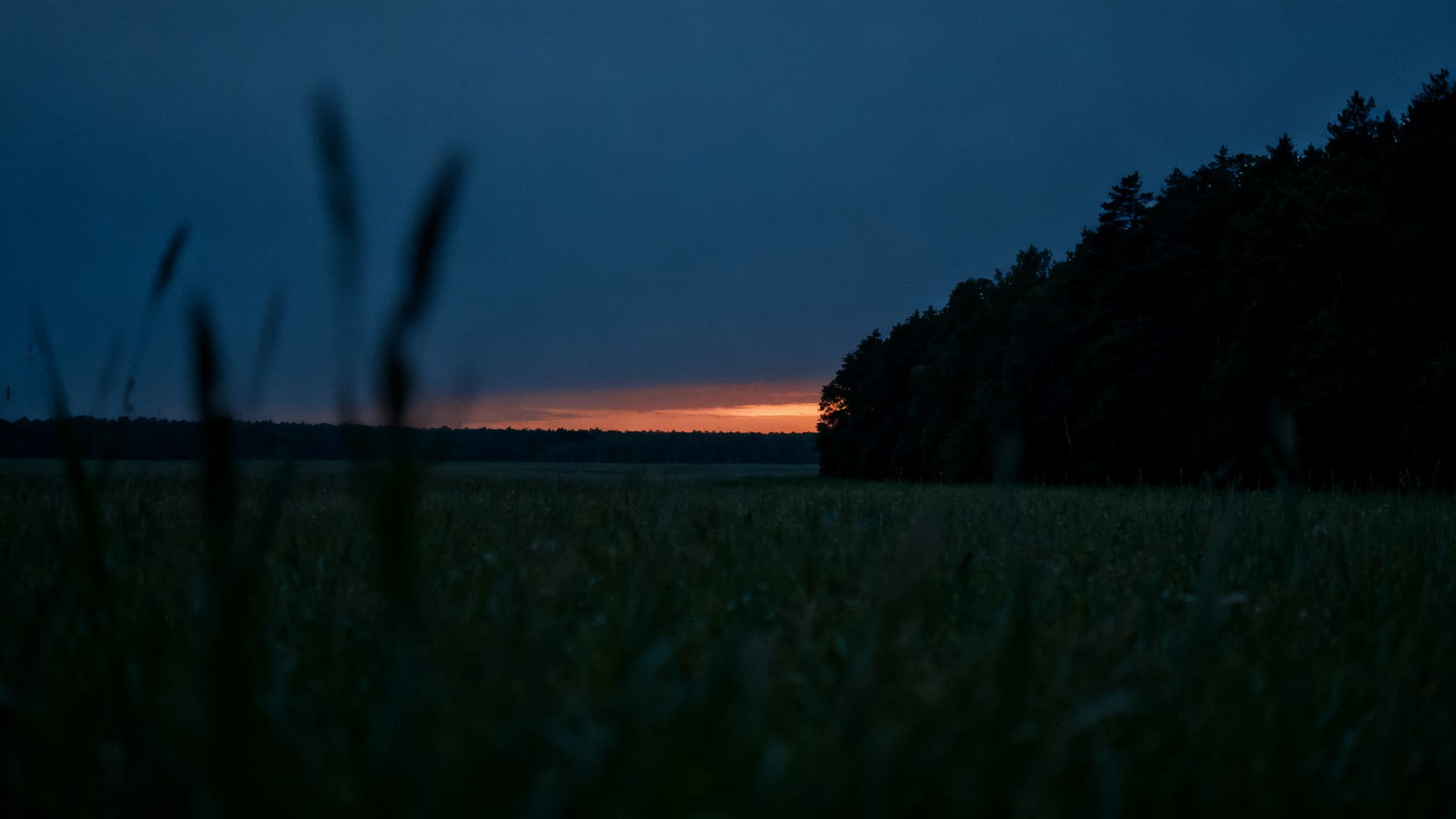
Third places for people who work nights
You can't join a club that meets at seven. So look for what's open at four.
You clocked out at seven fifteen this morning. The sun was coming up on everybody else's beginning. For you it was the end of a very long day.
You drove home past a place full of people starting their day. And you thought, more or less: none of this was built for me.
There's a particular kind of lonely in that. Not that nobody likes you. Just that the world's doors open and close on a schedule you don't live on.
Advice for other people
Almost everything anyone says about finding a place to belong assumes you have an evening. That the hours between six and ten belong to you.
Yours are somewhere else. Six to ten is when you're asleep. Or when you're two hours into a twelve-hour shift, watching an empty lot, listening to the hum of fluorescent lights in a building where nothing is happening yet.
So the advice slides right off you. Join a club. Stop by after work. Come to the thing at the community center on Thursday at seven. Every door you'd actually want to walk through is locked at the exact hour you're finally free.
It's frustrating. And after a while it starts to feel personal, even though it isn't. The world isn't excluding you on purpose. It's just that most people sleep when you work, and work when you sleep, and everything is built around that majority. You're not unwelcome. You're just on the wrong side of the schedule.
The back side of the clock
Except that isn't quite true. The clock has a back side. It's thinner, and it's quieter, and it isn't empty.
There is a four a.m. crowd. Diner counters. All-night laundromats. The bakery that opens at five for people who aren't awake by choice. A twenty-four-hour grocery at two in the morning is almost peaceful. The shelves get restocked. The lights are on. Someone is there.
These are real third places by every measure that matters. Neutral ground — nobody invited you, and nobody's expecting you. You pay for your coffee, and you owe nothing else to anyone in the room. No host. No RSVP. No reciprocity debt. You can arrive when you like and leave when you like, and that's not a compromise or a consolation. That's the whole structure. That's what makes it work.
And the people already there are your people, in the only way that counts. You're all awake at an hour most of the world isn't. That shared circumstance is enough. You don't need to have anything else in common.
Same hour, same seat
So stop asking what's open in the evening. Ask what's open when you're awake, and what sits along the road you already drive home. Then go at the same hour, twice a week, for a month.
The night shift has its own regulars. The nurse eating eggs at seven forty. The driver in the corner booth. The man reading the paper because the paper only just came.
Nobody will make a fuss. Then one morning someone starts pouring before you ask. That's it. That's the whole thing. That's what being a regular is. It doesn't require an introduction or a commitment. It just requires showing up enough times that your face becomes part of the landscape.
And when you're done, you stand up and go home to sleep. You don't owe them a long goodbye. You don't owe them next Tuesday. You come back because you come back. Or you don't. The place is still there either way.
Less crowded
Your hours aren't wrong. They're just less crowded. The company is thinner at four in the morning, but it's there — and honestly, it's easier to become part of. Fewer people, more repetition, less performance. The social math is simpler when there are only six seats at a counter.
Not far from where you sleep, a room is lit and unlocked right now, and nobody inside it needs a single thing from you.
Go sit in it. Come back. Leave whenever you want. That's all this has ever asked of anybody.