Weather, and the year-round problem
A bench goes wet, a crowd thins to four, and you wonder if you lost something. You didn't.
There's a bench somewhere that you sat on eleven times last summer. You remember it. Maybe it's in a park, maybe along a walk you used to take. Right now it's wet, and it's empty, and you haven't been there in five weeks. Nothing went wrong. The weather changed.
But it doesn't feel like weather. It feels like something you had, and then lost, and can't quite explain losing to anyone.
Hours you don't control
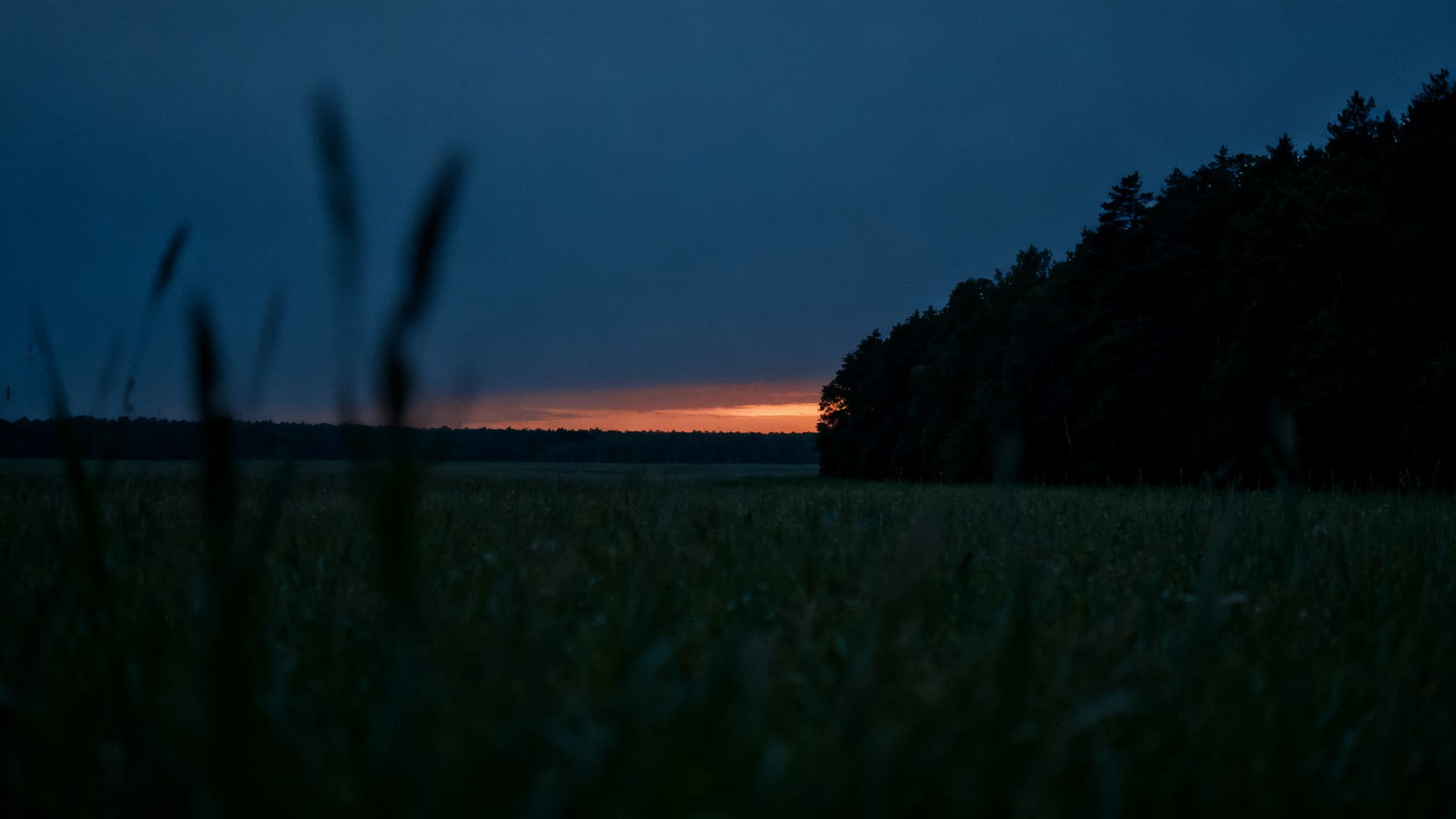
Outdoor places keep hours you don't control. The sun goes down at four. It rains for nine days straight. The wind picks up and by six o'clock the whole place has quietly emptied out.
And when your place closes for the season, you don't only lose the place. You lose the faces. The man with the folded newspaper. The woman who always arrives just before dark. The dog who always sat under the same tree. You never learned their names, and now they're gone until spring.
Somewhere in the middle of February you decide you were never any good at this. That you somehow failed at sitting on a bench.
That's the wrong conclusion. It's just January, doing what January does.
Thinned, not closed
Weather doesn't close a place. It thins it. That's a different thing entirely, and it's worth going out in the cold to find out.
The crowd of forty becomes a crowd of four. And the four are odd and loyal and much easier to know. Winter regulars clock each other. There's a nod that means: you came out in this. So did I. That nod carries more weight than a hundred summer conversations. You showed up when it was hard. So did they. That's the whole relationship, and it's enough.
Weather thins the crowd. It doesn't close the place. The ground is still there. The bench is still there. It's just waiting for the kind of person who doesn't mind a coat.
Keeping two
So keep two. One place with sky over it, one with a roof. Not because the outdoor one failed you — because the year is long, and no single place is built to carry all twelve months of it.
And get the clothes. It's unglamorous advice. Nobody wants to hear it. But most people who stopped going outside in winter stopped because they were cold, not because they stopped wanting to be there. A decent jacket and the right shoes change what's possible. That's not a lifestyle upgrade. It's just gear.
Learn where the season moves things. In July the place fills at dusk. In January it fills at noon, wherever the sun is landing. Same ground, same people, different hour. The place didn't abandon you. It shifted.
And let the visits get short. Eleven minutes in the cold still counts. You showed up, you saw who was there, you went home. Nobody's keeping score. There's no host tracking your attendance. There's no loyalty card. There's just the fact that you came, and the fact that coming matters even when it's brief.
Nobody kept a list
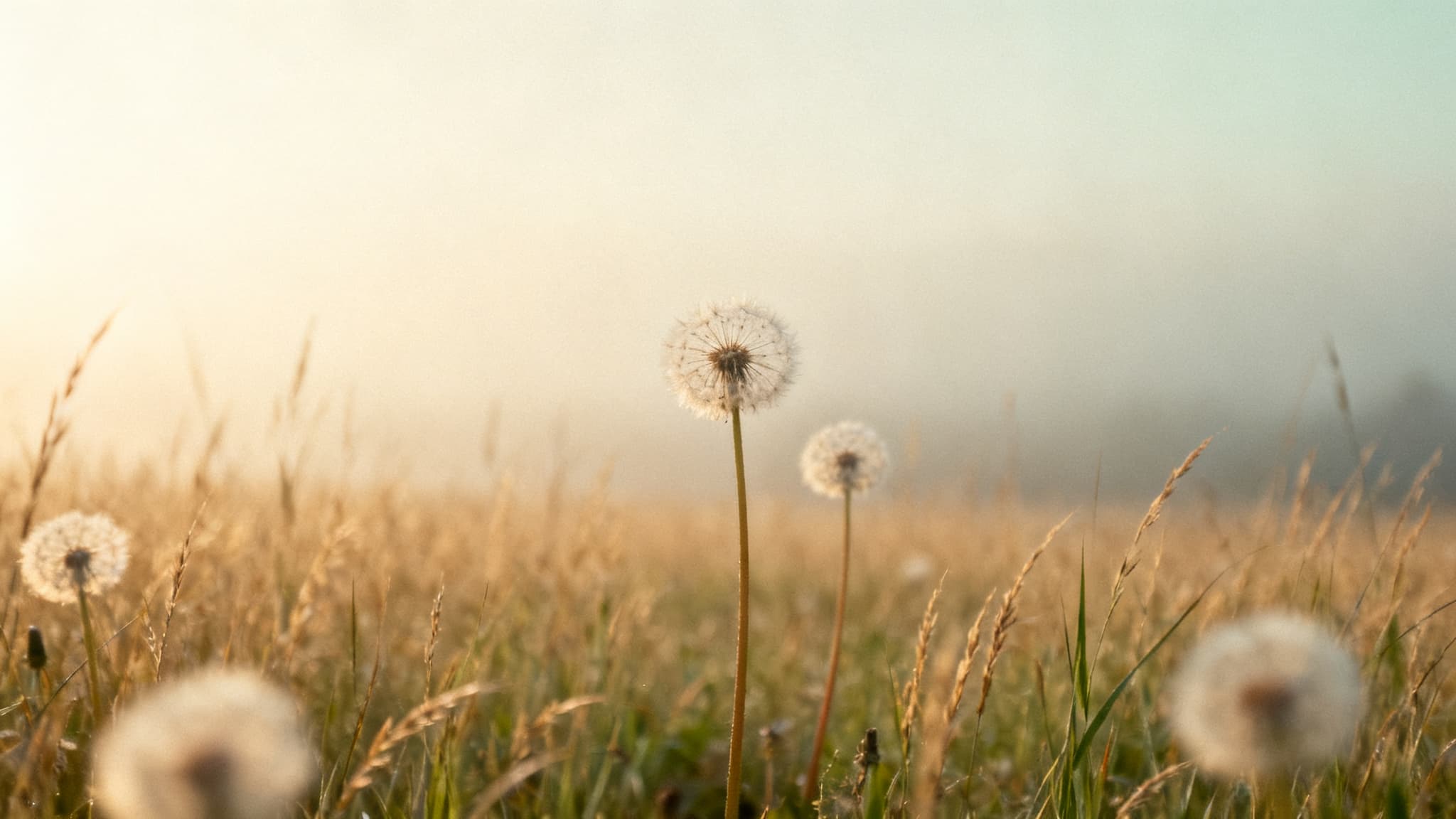
Then one afternoon in March it's fifty degrees, and the bench is dry, and everyone's back like nobody ever left. No explanations. Nobody asks where you've been. The season did that, not you.
That's what a place with no host gives you. You can vanish for four months and come back owing nothing at all. No one is hurt. No one is keeping track. The door was never locked. There isn't a door.
This is the quiet gift of a third place. It doesn't require your presence to exist, and it doesn't punish your absence. It just is. You come when you come. You leave when you leave. The bench doesn't hold a grudge.
Come back when it's warm. No one kept a list.