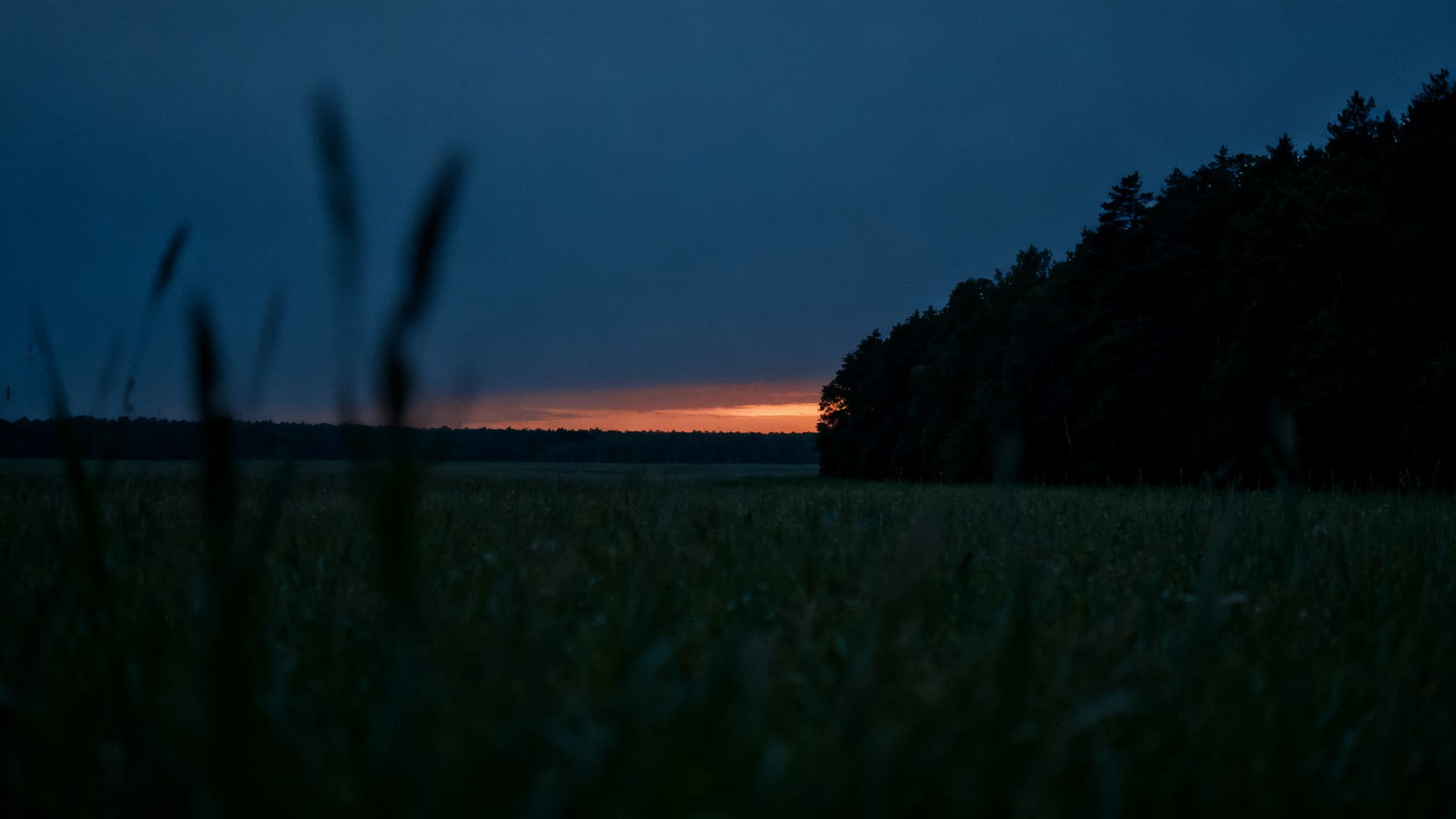
"There is no bad weather, only bad clothes"
A Norwegian phrase that quietly moves the day's authority from the sky back to you.
The Sky Decides
You checked the forecast this morning. Grey, wind, rain by two. And somewhere in that small act of checking, a decision got made for you. You'd stay in today. Again.
It happens so quietly it never feels like a choice. The sky says no. We agree, and we call it sense.
Meanwhile the week fills with indoor hours, and by February you can't remember the last time you were properly outside — not passing through it to a car, but actually in it. Feeling the air on your face. Noticing which direction the wind comes from. The body starts to forget what season it even is.
This is how a whole winter can pass. Not in drama, but in small surrenders. One forecast at a time.
A Phrase Worn Smooth
In Norway there's a phrase people say so often it's nearly a shrug. A phrase worn smooth by use, like a stone in a pocket. Parents say it to children heading out. Coworkers say it about the walk to lunch.
There is no bad weather, only bad clothes.
It can sound like a scolding when you first hear it. It isn't. It's closer to a kindness — because the alternative, in a country where the dark lasts months and the cold settles in like a tenant, is a life spent waiting for a nice day that isn't coming.
Which is to say: the phrase isn't about toughness. It isn't about gritting your teeth or proving something. It's about refusing to hand your days over to something you can't argue with. The sky will do what it does. The question is whether you'll still go live your life.
Norwegians know something that's easy to forget in milder climates: comfort isn't the absence of discomfort. It's the feeling of being ready for what's out there. The coziness of coming home means nothing if you never left.
From the Sky to the Door
Notice what the phrase actually does. It takes the problem out of the sky, where you have no say at all, and sets it down by your front door, where you have every say.
That's the whole move. It's small and it's almost technical, but it changes everything. The weather stops being a verdict on your day and becomes a fact about it. Like the hour. Like the temperature of the room. Something to work with, not something to obey.
And this is not a shopping trip. The point was never expensive gear — waterproof jackets engineered in labs, boots that cost more than a week's groceries. The point was being ready. A jacket you already own. The boots that leak less than the other pair. Layers, so the cold has to work harder to reach you.
Bad clothes, in the saying, mostly means clothes you didn't bother to bring. The failure isn't in what you own. It's in what you remembered.
By the Door
So try a different use for the forecast. Not consulting it to decide whether the day is permitted, but reading it to prepare. Rain by two — fine. Then the coat comes with you. An umbrella goes in the bag. You stop asking the weather for permission and start treating it as information.
Keep the things by the door. Not folded away in an upstairs closet, not buried in a hall closet behind the vacuum cleaner. By the door, on a hook, where reaching for them costs you nothing and takes no deciding. The fewer steps between you and the outside, the more often you'll go.
Then go out in weather you'd normally wait out. Ten minutes is plenty. Around the block and back. What you're doing isn't exercising or accomplishing — you're collecting evidence that you're fine. That the air won't hurt you. That the rain is just water.
Your body learns this faster than your mind does. A few cold walks, and something stops flinching at the door. The shoulders drop. The breath steadies. You stop bracing for the outside like it's an assault.
Just the Weather
Something loosens when the sky no longer runs your life. Plans hold. You get outside in November. A rainy afternoon becomes weather you walked through instead of a day you lost.
None of this asks you to like the cold, or to be hardy, or to prove anything to anyone. It asks one small thing: bring your coat.
The weather was never the problem. It was just the weather. It will be here tomorrow, doing whatever it does, entirely indifferent to your plans — and that, strangely, is the good news. Because if the weather isn't deciding, then you are. And that's where comfort actually begins.