The kos of doing nothing outside
The Norwegian art of sitting outside with no destination, no step count, and nothing to prove.
Nothing to show
Somewhere in Norway right now, someone is sitting outside in the cold, doing absolutely nothing.
No hike. No plan. No route mapped on an app. Just something warm to hold and a place to sit.
They won't photograph it. They won't count it as exercise. When they go back inside, they'll have nothing to show for the last half hour.
And they'll feel better. That's kos.
Needing a reason
Most of us need a reason to go outside. A destination. A dog that needs walking. A distance to cover. Something that makes the time count for something.
So we take fresh air like medicine. Measured, brisk, on the way to somewhere else. Ten minutes for the step count. One lap to clear the head, so we can get back to work.
Nothing wrong with any of that. Walking is good. Fresh air is good. But notice what it does to your relationship with outside. Outside becomes a place you move through. Never a place you sit down.
The productivity framing is so habitual that we barely see it anymore. We treat the outdoors as a gym with better scenery. Or as a mental health transaction — ten minutes in, slightly calmer out. And then straight back to the laptop.
What kos actually means
Kos is the Norwegian word for the small, warm pleasure of a moment. It's related to the Danish hygge, but it has its own flavor — a little more rugged, a little more tied to the landscape. Norwegians will tell you kos lives indoors by the fire. They're right. But it also lives outdoors, in the cold, doing nothing whatsoever.
This is the part that surprises people from milder, softer climates. Norwegian comfort isn't built by hiding from the cold. It's built by meeting it and then settling into it. The warmth you feel after the cold is a different kind of warmth. A more earned one. A deeper one.
Norwegians don't see the cold as the enemy of comfort. They see it as part of the contrast that creates comfort. Without the cold, the warmth is just... temperature. With it, the warmth becomes something you notice. Something you earned by being out there long enough to feel it.
Sitting is enough
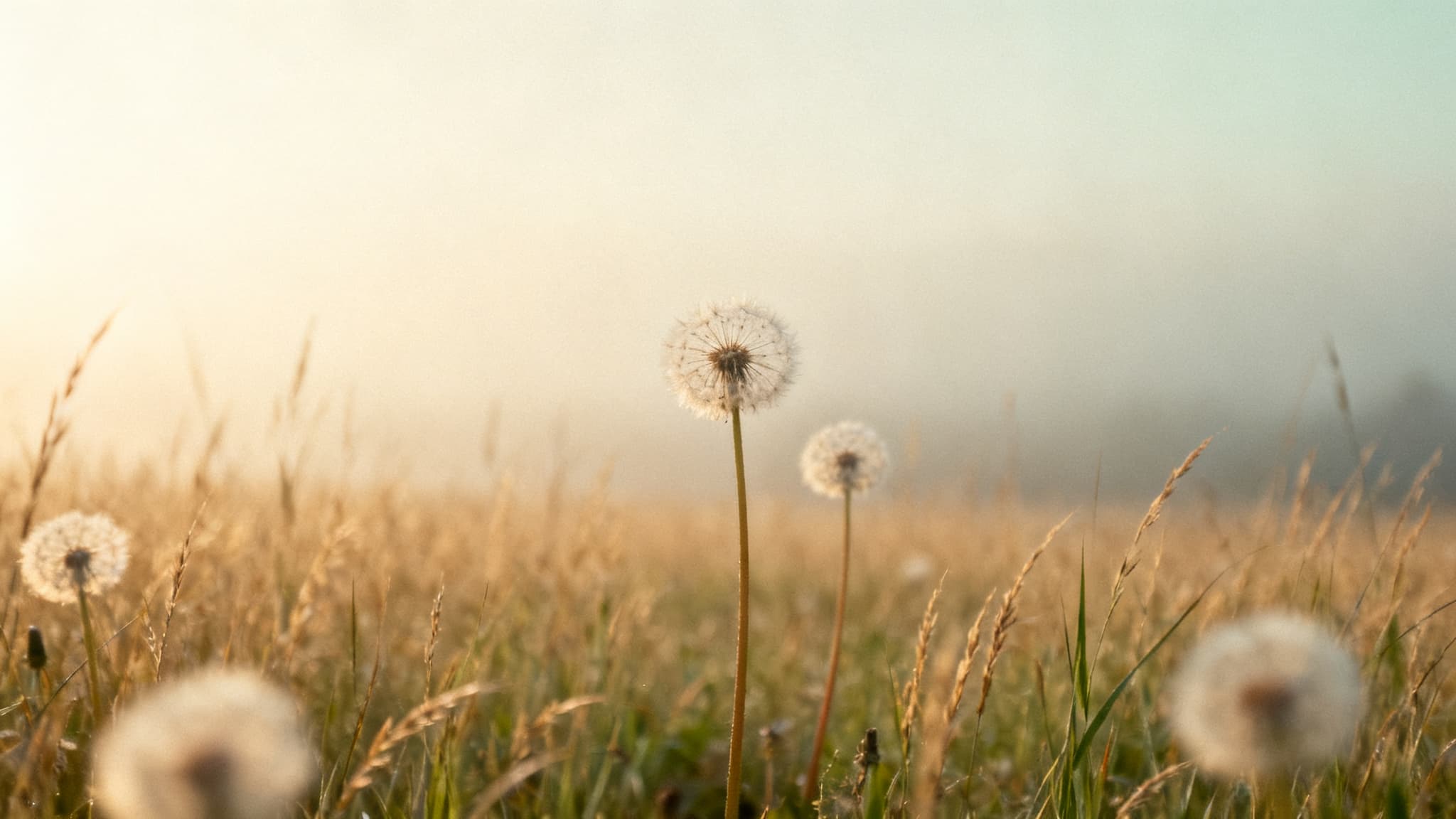
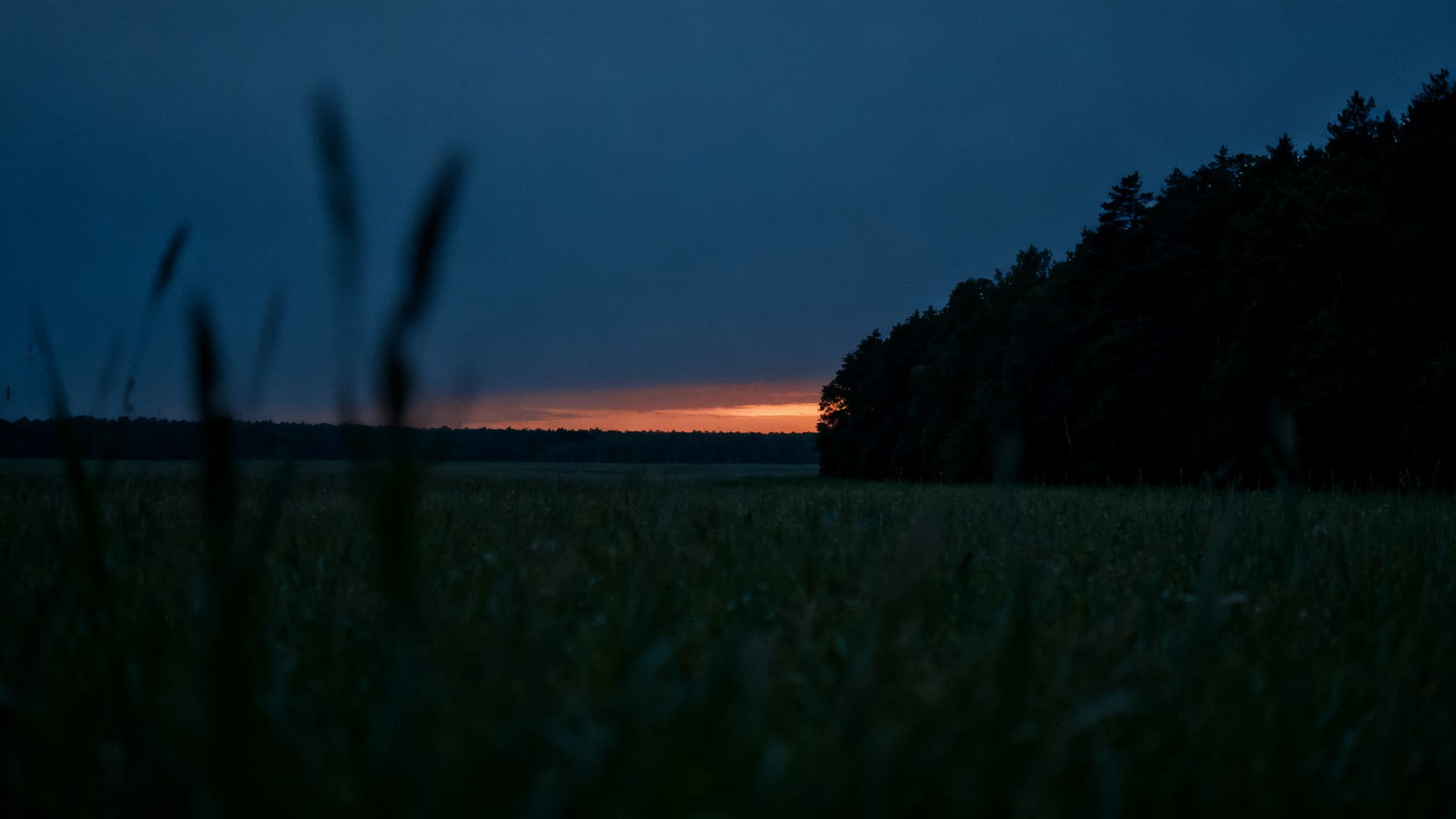
A step. A bench. A flat rock still holding the last of the afternoon sun. You sit down. The cold finds the edges of you, and your coat holds it off. You watch the light go.
That's the whole thing. No summit. No distance. No lesson learned on the way back. Sitting is enough.
Outside doesn't ask you for anything. It doesn't need you to be fit, or grateful, or changed by it. It doesn't care whether you got your heart rate up or had a meaningful experience. It's just weather, and you in it.
How to try it
If you want to try it, start here. Dress warmer than you think you need to. This is the most important part. Cold you've prepared for feels completely different from cold that catches you by surprise. One is comfort. The other is just being cold.
Bring something warm to hold. Tea, coffee, soup in a thermos. A cup gives your hands a job, so the rest of you is allowed to stop working. It's a small thing, but it matters. Your hands are usually busy. Giving them something warm and still lets the rest of you follow.
Then stay a little longer than feels useful. The first few minutes are restless. Your mind is still indoors, still checking its watch, still wondering if this is worth the time. That's just the part where you're still carrying the indoors around with you.
After that, things start arriving on their own. A bird. A door closing somewhere down the road. The particular sound of wind in bare branches. The way the sky changes color in a way you would have missed if you'd gone back inside after five minutes. You didn't go looking for any of it. It came to you because you stayed.
Permission
You don't need a mountain, or a cabin, or the right season. A back step works. A fire escape works. A parked car with the window down and the engine off works. A folding chair on a patch of grass works.
The point isn't nature, exactly. The point is being somewhere that isn't asking anything of you — long enough to remember what that feels like.
So go sit outside. Come back in with nothing to show for it. That's how you'll know you did it right.
The Norwegians have known this for a long time: the best moments are often the ones that leave no trace. No photo. No step count. No story to tell. Just you, the cold, and a cup of something warm, watching the light go.