The cabin (hytta) and the case for simplicity
Comfort might be what's left when you stop adding to the room.
A small wooden house at the end of a long walk
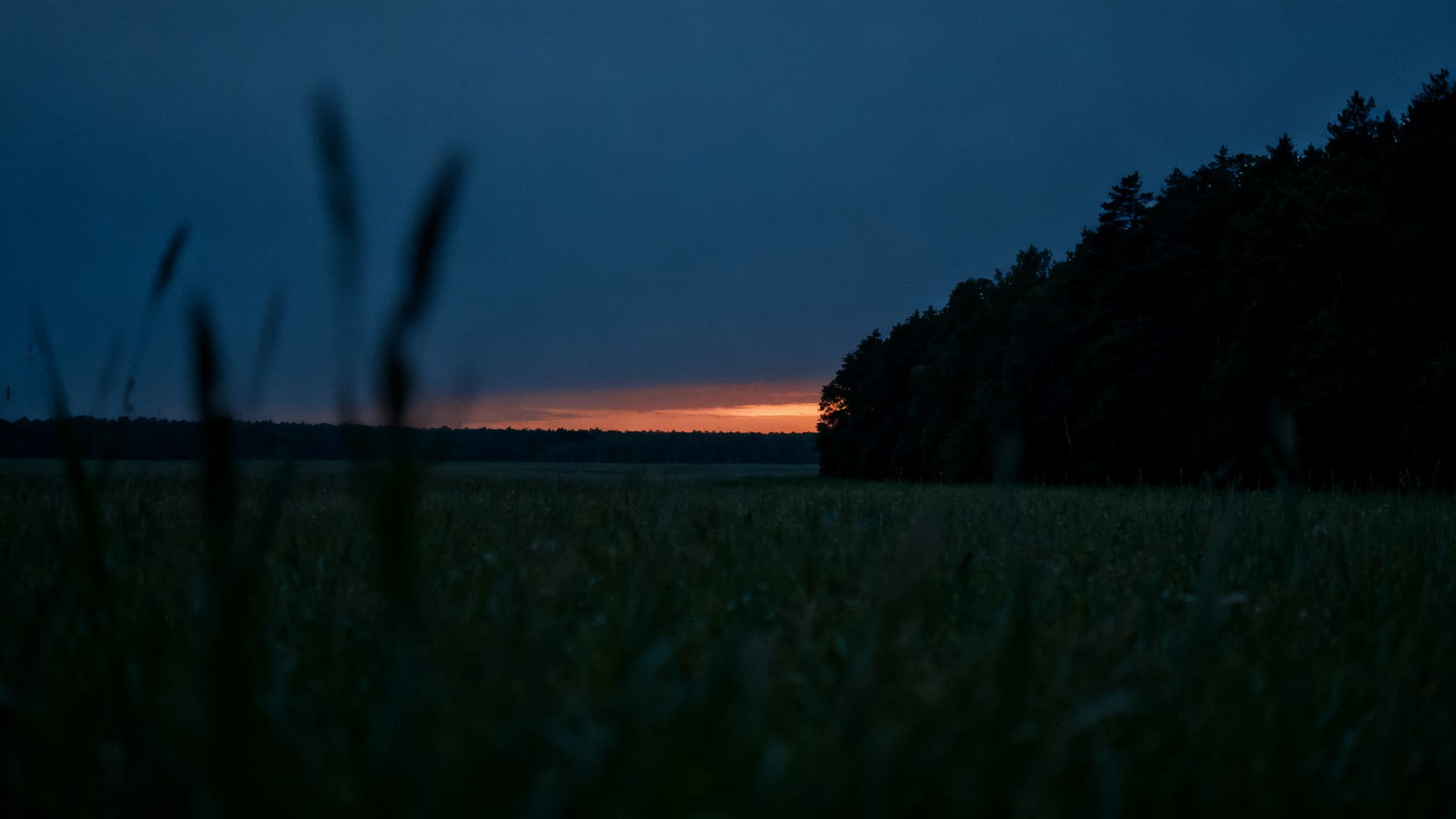
Somewhere in Norway there's a small wooden house at the end of a long walk. No road to the door. No dishwasher. Sometimes no running water.
It belongs to people who could afford something better. They've spent forty years deliberately not improving it.
It's called a hytta — a cabin — and it's where a lot of Norwegians go to feel more comfortable than they do at home. By having less. Less space, less equipment, less to do.
That's worth slowing down on. The people who own these cabins are not roughing it because they have no choice. They're choosing it. And they're choosing it for comfort.
Comfort as addition
Most of us learn comfort as addition. A softer couch. A second screen. A machine that does the thing so your hands don't have to. And it helps, a little. Then the room fills up, and something strange happens. You've got more to look after and less room to just sit in it.
A house full of comforts can quietly become a house full of small obligations. Charge this. Update that. Keep it clean, keep it nice. Each thing you brought in to make life easier now asks something of you on a schedule you didn't fully agree to.
This is the paradox we don't talk about. The labor doesn't disappear when you add convenience. It shifts. It gets distributed into smaller, duller tasks that never quite end and never quite feel done.
Built by taking away
The hytta goes the other way. It's built by taking away. Fewer rooms. Fewer switches. Fewer objects asking for something. And what Norwegians know is that this isn't a sacrifice on the way to comfort. It is the comfort.
What's left is the small work. Carrying water up from the pump. Splitting kindling. Sweeping sand off the floorboards.
At home that's chores. At the cabin it's somehow the best part of the day. Because the work is short, and it ends, and you can see what it did. The bucket is full. The room is warm. Your hands did that. Very little in modern life gives you that — start to finish, in ten minutes.
There's a kind of satisfaction here that no appliance replicates. It's not nostalgia. It's the feeling of a completed loop. You needed warmth. You made warmth. You're warm. Done.
Simple isn't less comfortable. It's less in the way.
One room, one evening
You don't need to own a cabin. Nobody's suggesting you buy one. The hytta isn't a place you purchase — it's a way of setting a room up.
So pick one room and one evening. Take three things out of it. Not forever — just for tonight, so you can hear what the room sounds like without them. A room can feel bigger when you take something out than when you add something in.
Then give one convenience back to your hands. Boil the water on the stove. Wash the two plates by hand. Light the lamp instead of the ceiling.
Then notice that you're not managing anything. The evening is just the evening. That's the whole trick, and it costs nothing.
Room left in it
What you may notice is a kind of quiet that isn't about noise. Nothing is blinking. Nothing is half-finished. Nothing in the room needs anything from you.
That's the case for simplicity. Not austerity. Not doing without to prove something. Just fewer things standing between you and the evening you're already in.
You're allowed to keep a room plain. You're allowed to leave a good thing unimproved for forty years. The Norwegians have known this for generations — that the cabin with the outhouse and the wood stove is not the waiting room for a better cabin. It is the better cabin.
Comfort was never the pile. It was the room with room left in it.