A short history of a Danish word
A feeling you've had a hundred times — and never had a word for.
A feeling with no name
There's a feeling you've had a hundred times and never named.
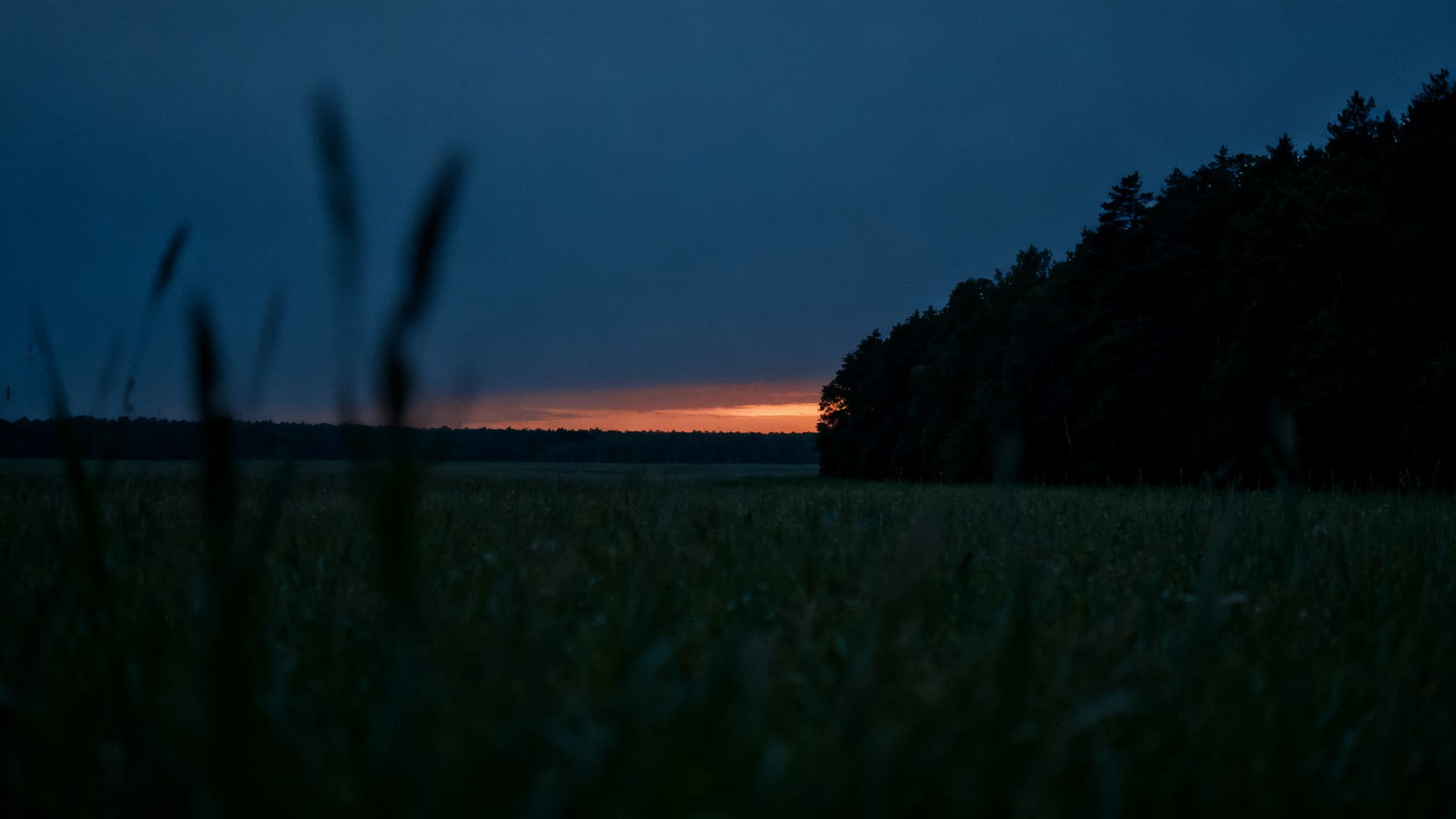
Late evening. Nothing urgent left in the day. Someone you like in the next chair — or a room that's only yours. The lamp on low. The sense that the day is finally, fully over, and that's not a problem.
You've never had a word for it. Danish has one, and has had it for about three hundred years.
Hygge. Roughly, HOO-gah. And rough is about as close as English is going to get.
Older than the cushions
The word is younger than most people assume. Danish borrowed it from Norwegian sometime in the seventeen hundreds. Denmark had the feeling long before that — it simply didn't have a name to hang on it.
Follow it back further and you arrive at Old Norse. Hugga — to comfort, to console. And hugr — mind, mood, the inner weather of a person.
So the oldest layer of the word has nothing to do with blankets or rooms. It's about tending to someone's spirit. Steadying them. Our English word hug is probably a distant relative.
That detail matters more than it might seem. The root of hygge isn't décor. It's care. It's the act of comforting a mind — yours or someone else's. Everything we associate with the modern word — candles, warmth, togetherness — grew from that one old impulse: make the inner weather a little gentler.
From there it moved the way words do. Into writing. Into ordinary speech. Until Danes were using it for whole evenings, whole rooms, whole people.
A philosophy hiding in grammar
Here's the part I keep coming back to.
In Danish, hygge isn't only a noun. It's also a verb, and an adjective. An evening can be hyggelig. A person can be hyggelig. A Tuesday can be.
At hygge sig. To hygge oneself. It's something you do — like cooking, like walking, like making the bed. Not something that arrives if you happen to get lucky.
There's a whole philosophy hiding in that grammar. Comfort as an activity. Something ordinary people make, on ordinary nights, with what they already have.
This is the part that gets lost when hygge turns into a marketing term. You can't buy a hyggelig evening. You can buy candles — and Danes buy plenty — but the candles aren't the thing. The thing is what you do with the hour. The lamp turned low. The chair pulled closer. The decision not to rush.
What cozy misses
Danes will tell you the word doesn't translate, and they're right.
Cozy comes close. But cozy is mostly about temperature and cushions. It describes a room. Hygge takes in the people too. The pace. The hour. The fact that nobody is performing, and nothing has to be decided tonight.
In Denmark it's an everyday word, not a special one. A bus ride can be hyggelig. A lunch with a colleague can be. It's the highest ordinary compliment they've got — and they hand it out on Tuesdays.
That's worth pausing on. English tends to reserve words for comfort for special occasions. Cozy shows up in real estate listings and autumn playlists. Hygge shows up when someone describes the mood of a perfectly unremarkable afternoon. The Danes gave a name to the feeling most of us let pass without comment — and once you notice it, you start seeing it everywhere.
Every language keeps a few words like this. Names for feelings the rest of us walked straight past. Learning one changes what you notice.
Now you know what to call it
Tonight, maybe, you'll catch twenty minutes with a certain quality to them. The lamp on. The dishes done. Nobody going anywhere.
Before, that would have passed unremarked.
The word is three centuries old, and it points at something far older. People sitting together in the dark. Making the small hours warm. Comforting each other's minds.
You don't need to be Danish for any of this. You've been doing it your whole life. You just didn't have a word for it.
Now you do.