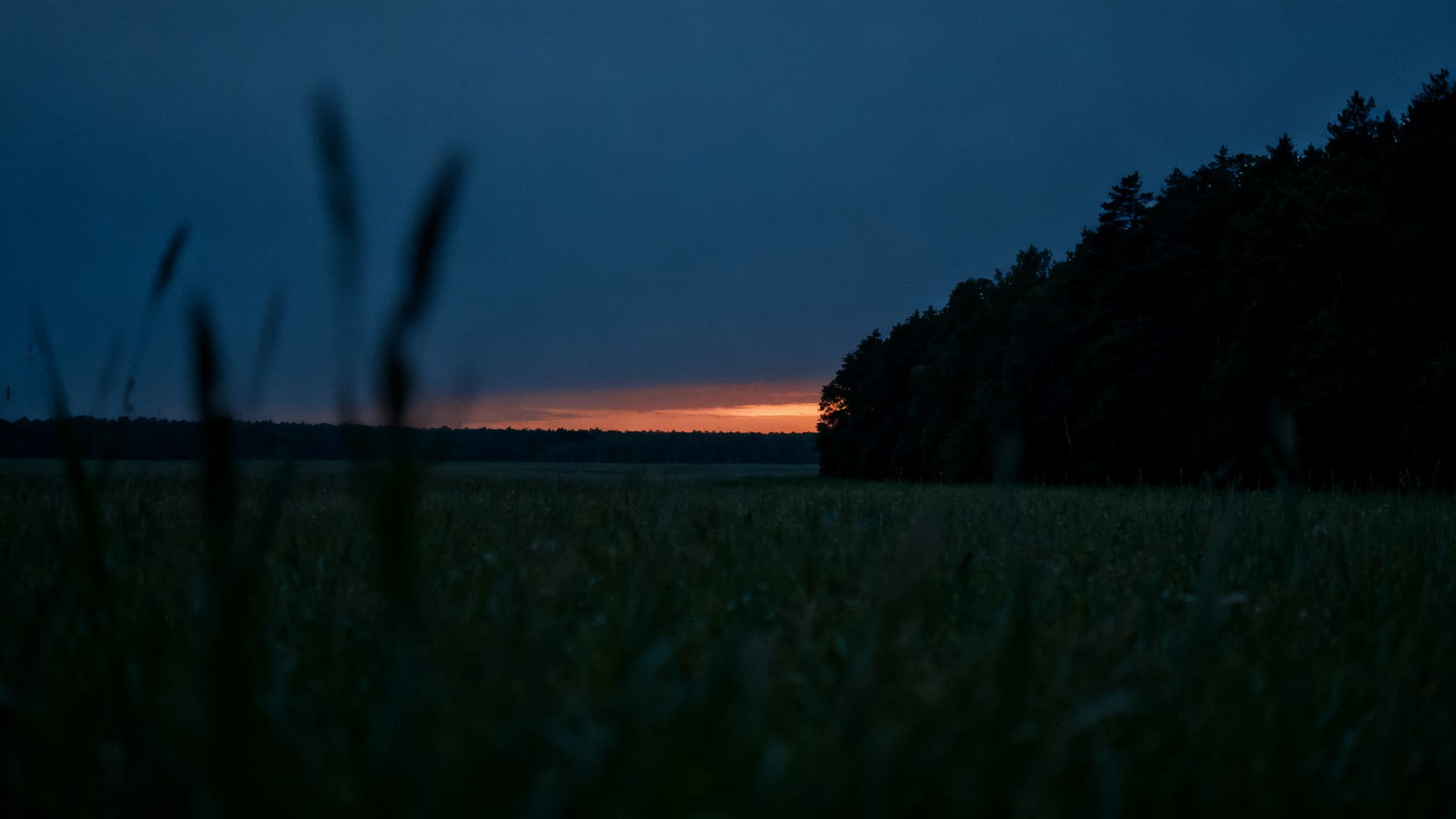
The window without curtains
A Dutch street at dusk holds a quiet lesson: comfort that has to hide isn't comfort yet.
Straight into the room
Walk down a Dutch street just after dark, and something stops you. You can see straight into people's living rooms. Not a glimpse through a gap in the blinds — the whole room.
Wide front windows. Lamps on. No curtains pulled. A family halfway through dinner. A cat asleep on the sill. Someone reading under a low light.
It feels like a mistake at first. Like you've walked past something you weren't meant to see, and you look away out of habit. We've been trained to treat other people's evenings as private. To catch a view through someone's window feels almost like reading their mail.
But in the Netherlands, this is just how evening looks. The word for it is gezelligheid — and it doesn't translate neatly. Cozy gets close, but it's too small a word. Gezelligheid is a whole atmosphere, a felt sense that life is being lived well and shared, even by strangers. And one of its foundations is surprisingly simple: the open window.
Why we close up
Most of us shut down at night. Blinds lowered, curtains drawn across. The lit room becomes private property. What happens inside is nobody's business, and we like it that way.
And there's a reason for that. Being seen feels like being judged. The mess on the table. The television on again. The evening that doesn't look like much from the outside. Nobody wants that inspected.
So comfort becomes something we do behind a closed door. Hidden, in case it isn't good enough. We dim the lights, pull the shades, and make our coziness a private affair. And the street outside goes dark and blank, house after house, until the whole neighborhood is just a row of closed fronts.
We tell ourselves this is about privacy. Sometimes it is. But often it's about something quieter — the worry that our ordinary evening isn't enough to be seen.
Warmth facing outward
The Dutch see it the other way round. An open window isn't an invitation to stare. It's a plain kind of honesty. This is a home. Someone is inside it. Nothing here needs hiding. A curtain closed too early is almost unfriendly — not rude, exactly, but withholding in a way people notice.
And it does something for everyone outside. On a wet November evening, every uncurtained window is a small lamp for people walking home. Warmth handed out for free, without anybody meaning to be generous. You pass a row of lit rooms and something settles in you. You're not alone out here. People are home.
Look closer and you'll see there's nothing on display. Drying laundry. A cluttered table. A bike helmet on a chair. Nobody staged this. That's exactly why it's warm. A staged room would only make you feel further away — it would be performance, not life. The warmth comes from the fact that the room is real and occupied and not pretending.
The point was never a beautiful room. The point is that the room is occupied, and it isn't pretending. Comfort here faces outward as much as in.
This is what the Netherlands knows that other places sometimes forget: comfort is social before it is soft. It isn't only about how a room feels to the people inside it. It's about what a room gives to the people walking past. The lamp in the window is a small act of citizenship — a way of saying, without saying, that the street is shared.
Two small things
Try this. Take a walk at dusk in your own neighborhood. Look at the lit windows. Not to inspect them — just let them warm you a little. Notice how much a stranger's lamp can give you. A glow in an upstairs room. A kitchen light behind bare branches. These small scenes add something to an evening that you can't quite name.
Then go home and do your part. One lamp on, low, near the window. Leave it uncovered a little longer than usual. An hour, maybe. Nothing arranged, nothing tidied for the occasion.
Then sit with the feeling. Slight exposure at first — the awareness that someone could see in, could catch you mid-yawn, mid-snack, mid-nothing. Then something else: the sense of being part of a street rather than sealed off from one.
Leave the lamp on
You don't need a nicer room for this. You don't need to tidy first, or buy softer light, or wait until the place looks finished. In fact, waiting until things look right is exactly the instinct that keeps our streets dark.
Comfort that has to hide isn't quite comfort yet. It's still worried about being looked at. It's still working. Real comfort — the kind that settles into your bones — doesn't need the curtains drawn to feel safe. It trusts the evening. It trusts the street.
Leave the lamp on. Let the street have some of your warmth. That's how a street becomes a place worth walking home through.