Comfort is local
The picture of coziness you're carrying around belongs to a place with a different sky — your comfort has to be built from your own weather.
Most of us are walking around with a borrowed idea of comfort. Snow against a window. A fire going. Heavy wool. Candles lit at four in the afternoon because the sun already gave up.
It's a beautiful picture. It's just not a picture of here.
And if you live somewhere hot, you've probably felt a small, quiet failure about it. Like you showed up to the test without the right supplies. Like comfort is something happening in other countries, on other latitudes, in other people's homes.
The translation problem
So we translate — badly. We buy the blanket that was made for a colder house. We light the candle in August and sit there sweating, waiting to feel something we were told we'd feel.
When it doesn't arrive, we think we did it wrong. That we're bad at resting. That coziness is some talent we just weren't given.
But nothing is wrong with you. You were answering a question your sky never asked.
A place with five months of darkness learned to make small pools of light and gather inside them. Of course it did. The cold required it. That tradition isn't a style. It's a solution to a specific problem. And solutions, by their nature, are local.
The lesson travels, the props don't
Every comfort tradition worth knowing started the same way. A place made life hard in some particular manner, and the people who lived there got very good at softening exactly that — with whatever they had on hand.
Which means the lesson travels and the props don't.
Warmth was never the point. Relief was the point. Warmth was just what relief looked like in that place, at that latitude, under that particular sky.
Comfort is a local answer to a local hardship. Here, the hardship arrives as heat and glare and an afternoon that flattens everything — the air too thick, the light too sharp, the day too long in all the wrong ways. So relief wears the opposite clothes. Shade instead of fire. Cool instead of warm. The same instinct, reversed.
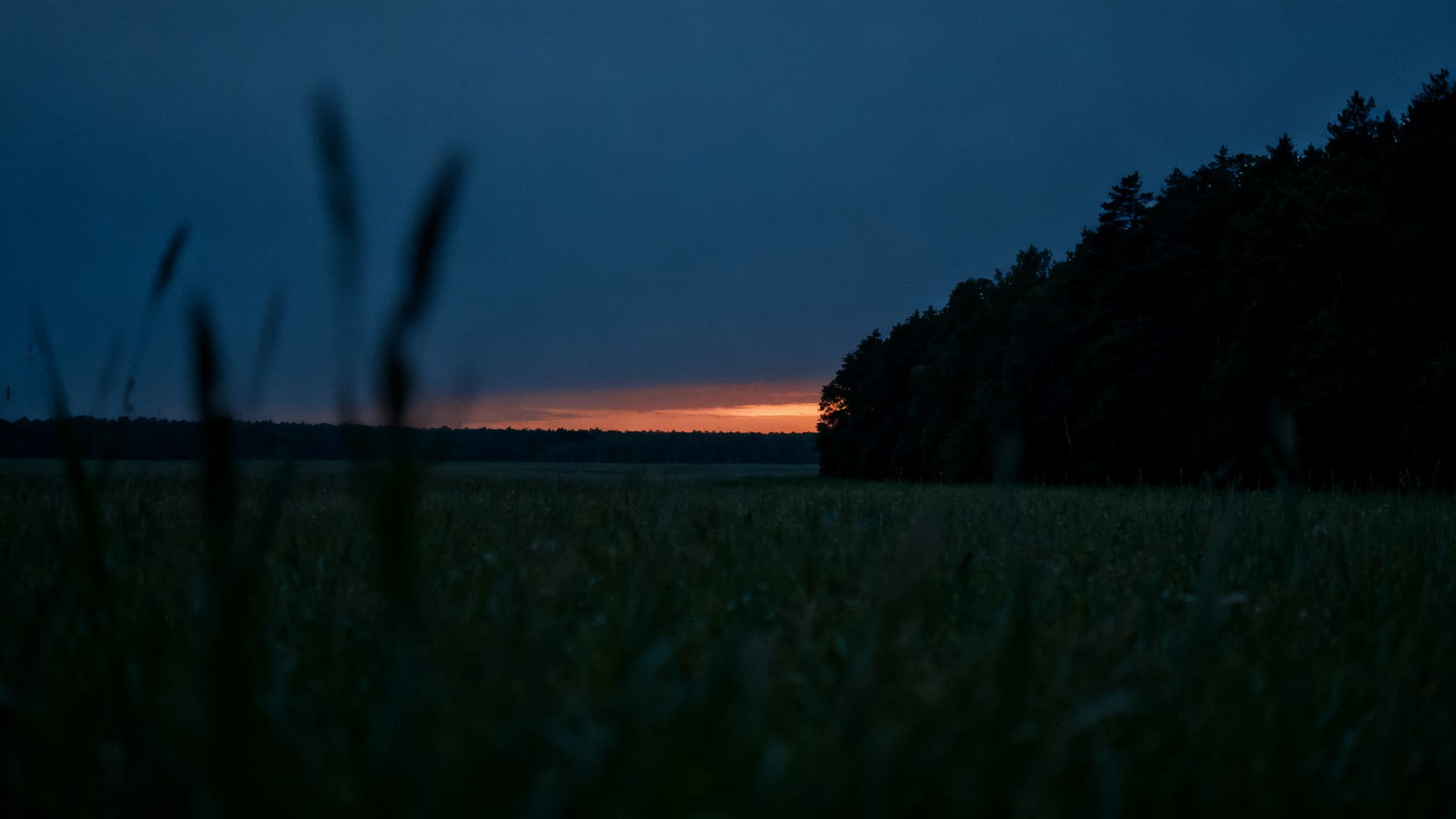
Your evening is their winter. When the sun finally drops and the air begins to move, that's your hearth. That's the moment you gather around. The screened porch, the shaded chair, the open window at dusk — these aren't lesser versions of someone else's comfort. They're your comfort, answered in your language.
Two questions
The practice is two questions, and you can answer them with a pen or just on a walk.
What does my place make hard? And what does my place give me for nothing?
The first list comes fast. You already know it in your skin. The glare off the driveway. The wet air that sits on you like a second shirt. The hours between one and four when the whole world goes flat and bright and you'd rather be asleep.
The second list takes longer, because free things go unnoticed. The hour when the light finally goes gold and soft. Rain loud enough on the roof to sit under. Air that moves through a room at the end of the day. Water that's cooler than you are.
Then build out of the second list, against the first. That's the whole method. Shade against glare. Evening air against afternoon heat. The sound of rain against the silence of a too-bright day.
It's what every comfort tradition did, long before anyone wrote it down. Nobody bought their way there. They paid attention.
You are not behind
You are not behind because your comfort doesn't photograph like a postcard from somewhere cold.
The people who taught the world about coziness weren't describing a universal standard. They were describing home. They were describing what relief felt like in their body, in their place, at their hour of need.
You have a different home. It asks different things of you, and it hands you things they'll never have.
Learn what your place knows. Then make comfort out of what's actually here. It may photograph badly. It will feel right in your body — which is the only place comfort has ever actually happened.