Already Here
The Meal I Didn’t Know I’d Remember Forever
My mom was dying.
One afternoon, I drove forty miles to buy lobster tails. Not because it was practical. Not because it was easy. But because something in me wanted to return to a small ritual from my childhood—just the two of us at her kitchen table, eating lobster like we had when I was five years old.
At the time, it didn’t feel like a “big moment.” It wasn’t a milestone birthday or a dramatic goodbye. It was just dinner. Butter. Napkins. Quiet conversation. The familiar clink of utensils.
I didn’t know it would be our last meal like that.
But I did know—somewhere deeper than logic—that I needed to pay attention. To stay. To let it land. That meal wasn’t extraordinary by any external measure. No restaurant lighting. No photos. No audience. And yet, because I was truly present for it, it became one of the most meaningful meals of my life.
That’s what gratitude does. It turns the ordinary into something sacred—not because the moment changes, but because you do.
Gratitude: The Full Circle of a Good Life
We spend a lot of our lives chasing a future version of ourselves: calmer, healthier, more successful, more “figured out.” We tell ourselves we’ll finally relax once the deadline is done, the money is saved, the relationship is healed, the routine is perfect.
But the truth is: if you can’t appreciate what’s here, you’ll struggle to enjoy what’s next.
Gratitude is both the culmination of a good-life philosophy and the foundation of it.
It’s the culmination because it gathers everything else into one practice:
- Acceptance becomes easier when you can name what’s already okay.
- Comfort becomes sustainable when you stop treating peace like a reward you haven’t earned yet.
- Slowness feels less like falling behind when you can see what speed makes you miss.
- Balance stops being a performance when you’re not always hungry for more.
- Community deepens when you notice the love that’s already present instead of focusing on what people aren’t giving you.
And gratitude is the foundation because it changes the direction of your attention.
When you can find joy in the small things, you stop needing the big things to be happy.
You still get to want things. You still get to grow. Gratitude isn’t complacency. It’s not pretending everything is great. It’s simply choosing to see reality more completely—both the ache and the gifts.
The Problem Isn’t Your Life—It’s the Way You’re Looking at It
Most of us don’t need a completely different life.
We need a different relationship with the life we already have.
We tend to scan our days like a to-do list: what’s missing, what’s late, what’s not working, what needs fixing. And yes—some things do need fixing. But when that becomes your default lens, you end up living in a permanent state of insufficiency.
There’s a quiet cost to that.
You can be surrounded by good things and still feel like you’re failing. You can have love and still feel lonely. You can have enough and still feel behind.
Gratitude doesn’t deny your problems. It just refuses to let them be the only thing you see.
It’s the practice of noticing what you’ve been stepping over on your way to something “better.”
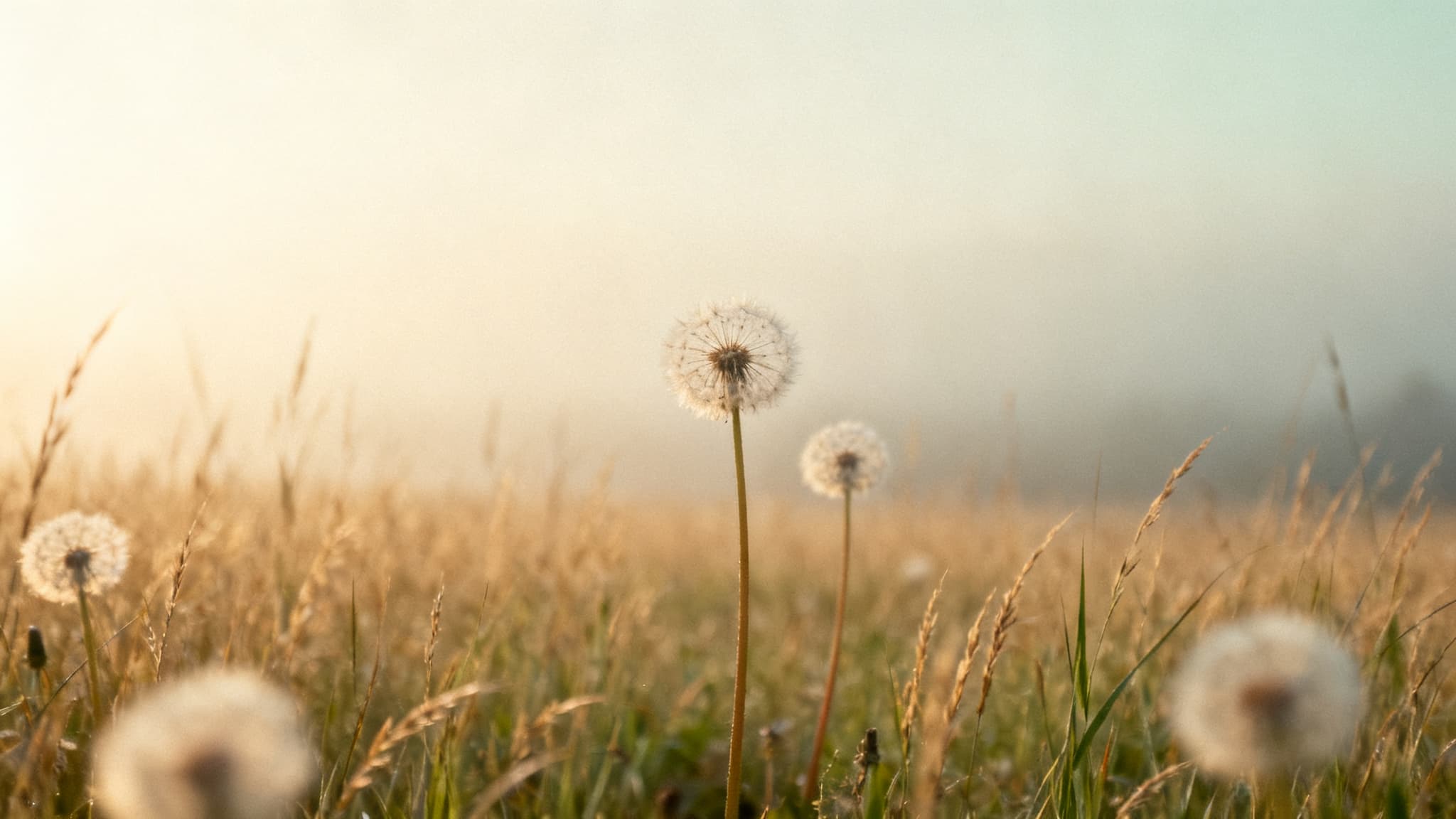
The morning light on the wall. The breath you just took without asking your body to do it. A text from someone who thought of you. The way your pet looks at you like you hung the moon. The first sip of coffee. A moment of quiet. A song that makes you feel like yourself again.
None of it fixes everything.
But it reminds you: life is still happening here.
The Small Practice That Changes Everything
Gratitude isn’t a personality trait. It’s a skill. Which means you can train it.
Not by adding more to your life, but by seeing more in your life.
Here are a few ways to make it real without turning it into another chore:
Try “three specific things” instead of “I’m grateful for my family.”
Specificity makes gratitude land. “I’m grateful for how my sister checked in today.” “I’m grateful for my partner making the bed.” “I’m grateful for that one friend who doesn’t try to fix me.”
Name what’s right, even in a hard day.
Not as toxic positivity—just as balance. “Today was brutal, and I’m grateful I had a warm shower.” Both can be true.
Pause when something is good.
This is the simplest and hardest one. When you’re laughing, pause and realize: this is it. This is a good moment. Let it soak in for five seconds longer than you usually would.
Over time, these tiny pauses create a new baseline. Your brain starts to recognize safety, pleasure, and enoughness again.
The Final Invitation: Arrive
The good life isn’t somewhere else.
It’s here. In this moment. In the small joys you’ve been rushing past while trying to become someone who finally deserves peace.
You don’t have to wait until you’ve improved yourself into worthiness. You can be enough now. You can arrive now.
So look around—not for what’s missing, but for what’s here. Not for what’s wrong, but for what’s right. Let yourself notice the small gifts of this ordinary moment.
A good life. Already here. Already yours.
Closing Thought
One day, you may look back and realize the moments that saved you weren’t the flashy ones. They were the quiet meals. The ordinary mornings. The simple presence of someone you loved.
If you can notice them now, you won’t have to miss them later. Just be.