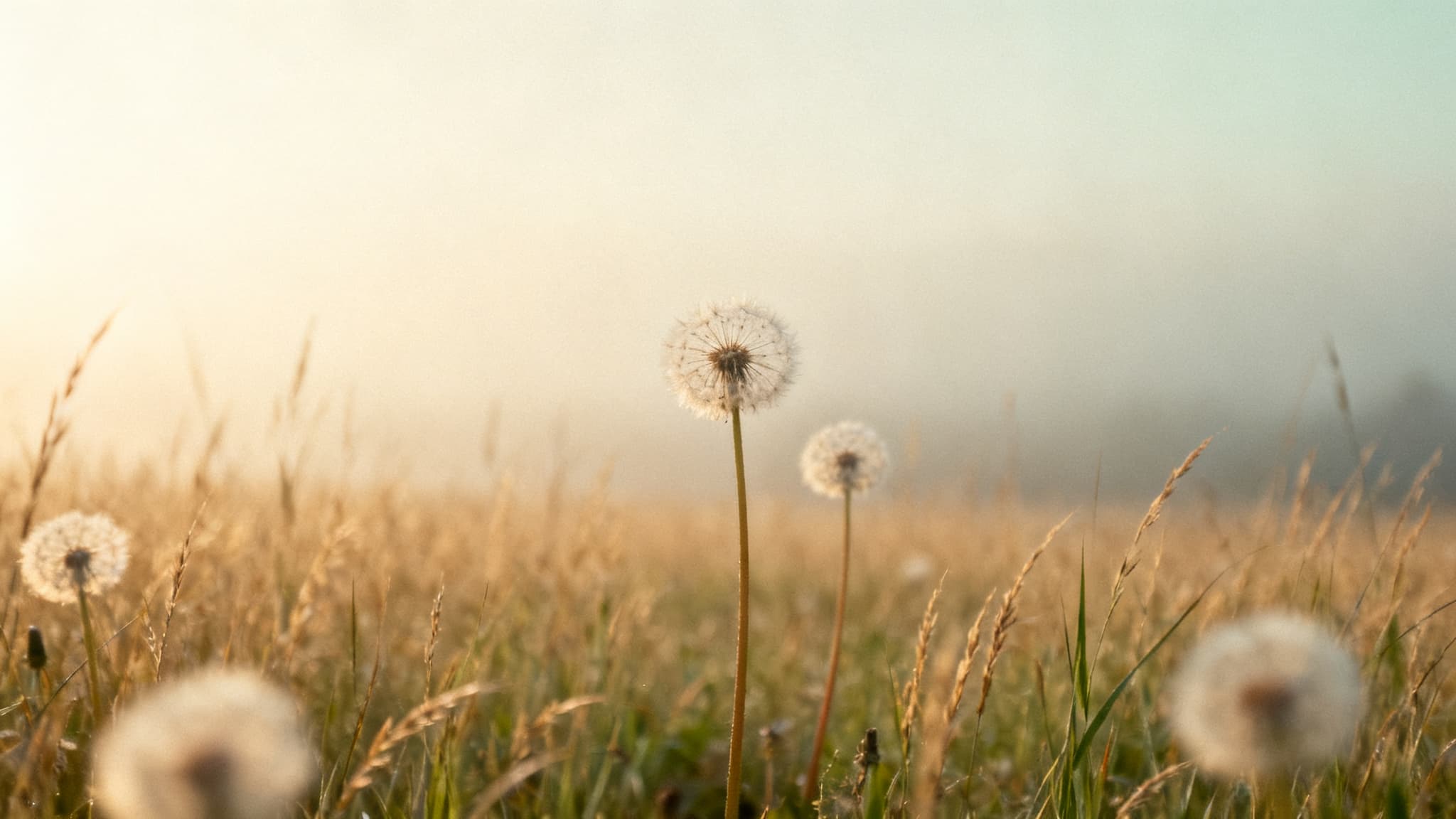
The Teacher Who Waits
Some of the most important lessons in life don’t arrive when we demand them. They arrive when we’re ready—quietly, sometimes inconveniently, often later than we’d like.
That’s why the image of a “teacher who waits” feels so powerful. Not a teacher who chases you down with answers, or shames you for not understanding quickly enough. But one who stays close, watches carefully, and lets the learning unfold at the pace your nervous system can actually handle.
In an age of instant search results and “life hacks,” patience can feel like a luxury. Or worse, a weakness. But patience—real patience—isn’t passive. It’s a skill. A choice. And sometimes, it’s the price of genuine transformation.
The Fourth Question
Imagine you’re in a class where you’re allowed to ask questions. You ask the first one, then the second, then the third. Each time, the teacher responds—maybe with an explanation, maybe with a hint, maybe with a new way of looking at the problem.
Then you ask a fourth question.
And instead of answering right away, the teacher pauses.
Not because you’re annoying. Not because your question is wrong. But because this one can’t be solved with information alone. This one requires something else: experience, integration, and the kind of understanding that forms slowly.
In personal growth, the “fourth question” is often the one that exposes our deeper pattern:
- “Why do I keep repeating this?”
- “Why can’t I just move on?”
- “What’s wrong with me?”
- “How do I become the version of myself I see in my head?”
We want a clean answer. A technique. A checklist.
But the deeper the question, the more likely it is that the answer has to be lived—not merely explained.
The Cost of Patience
Patience isn’t free. It costs something.
It costs the part of you that wants certainty. The part that believes progress should be linear and visible. The part that equates speed with worth.
Patience also costs discomfort. Because waiting—true waiting—means you’re still in the “in-between.” You’re no longer who you were, but you’re not yet who you’re becoming. That space can feel unstable. Even lonely.
And yet, patience is often the only way we stop forcing outcomes that aren’t ready.
In wellness culture, we often talk about growth as if it’s an upgrade you install. But real change looks more like composting: slow breakdown, reorganization, and a new kind of life forming underneath what used to be.
When you practice patience, you’re paying upfront for long-term stability. You’re choosing depth over drama. Roots over quick blooms.
Patience Without Limits
Here’s the tricky part: patience can be wise, and patience can be weaponized—especially against yourself.
“Just be patient” becomes a way to tolerate situations you’ve outgrown. Or to excuse a lack of boundaries. Or to avoid making a hard decision.
So what does patience without limits look like?
It looks like waiting without self-abandonment.
It means you can hold space for timing and still take responsibility for your life. You can be gentle with your process and honest about what isn’t working.
This kind of patience has structure:
- You rest, but you also reflect.
- You pause, but you still tell the truth.
- You allow time, but you don’t erase your needs.
A patient person isn’t someone who accepts everything. It’s someone who can stay present without rushing to escape the moment.
Extension, Not Replacement
One of the biggest misunderstandings about AI—or any external tool—is the fear that it will replace something essential in us: our intuition, our creativity, our emotional intelligence, our human learning.
But the healthiest relationship with tools is almost always extension, not replacement.
AI can help you brainstorm, organize ideas, find language for something you’re struggling to express. It can offer prompts that widen your perspective. It can even mirror patterns back to you in a way that helps you notice yourself.
But it can’t do the inner work for you.
It can’t feel your grief. It can’t metabolize your anxiety. It can’t practice the conversation you’ve been avoiding. It can’t build trust in your body after burnout.
That’s your curriculum.
The “teacher who waits” isn’t threatened by tools. The teacher who waits knows that tools are only helpful when they support the student’s readiness. Not when they bypass it.
Understanding Arrives
The surprising thing about patience is that understanding often shows up all at once—after a long period of seeming nothing.
You read the same advice you’ve heard a hundred times, and suddenly it lands. You have a conversation that rearranges your inner world. You wake up one morning and realize you’re not gripping as tightly. You respond differently, without forcing it.
That’s not magic. That’s integration.
It’s what happens when your mind, body, and life experiences finally align around a truth you were circling for months—or years.
The teacher didn’t abandon you. The teacher was waiting. And in a way, you were learning how to wait too: without panic, without self-judgment, without needing every step to be explained.
If you’re in a season where answers feel slow, consider this: maybe you’re not behind. Maybe you’re being taught in the only way that will actually last.
And maybe the most compassionate thing you can do today is keep showing up—curious, steady, and willing to let understanding arrive in its own time.