Gratitude and Small Joys
We step over small joys like pennies on the sidewalk.
What brought you joy today? Maybe it was something easy to walk past—the weight of a blanket, the first warm sip, a face still soft with sleep. Notice how the good things were already there, waiting to be picked up.
OpenAI Rolls Out 'Dreaming V3' Memory Upgrade for ChatGPT Amid Privacy Concerns · source →
It's a curious thing, this question of what gets remembered and what slips by. Even as we walk past the small joys waiting on the sidewalk, our machines are quietly busy collecting—deciding, on their own, which of our moments are worth keeping.
OpenAI has rolled out its most significant memory upgrade since ChatGPT first arrived—a new architecture called Dreaming V3, now reaching paying users in the U.S. with plans to extend further in the weeks ahead. The promise is a chatbot that remembers you: your preferences, your patterns, the texture of your past conversations. But researchers have noticed something striking. In one study, 96% of the memories ChatGPT formed were created unilaterally—the system deciding, without being asked, what about you was worth holding onto.
Consider the strange reversal here. We so often let the day's quiet gifts pass unnoticed—the warmth of a first sip, a sleeping face, the simple weight of a blanket—while a machine, tireless and unblinking, catalogs the smallest details of how we type and what we ask. It is paying a kind of attention. Just not the kind that nourishes anyone. What if the attention being gathered about us is not the same as the attention we might offer to our own lives?
Regulators are taking note. Under the EU AI Act's transparency rules arriving in August, these behavioral-profiling systems will face new scrutiny over consent, retention, and what it means for a machine to build a quiet portrait of who we are. These are worthy questions, and worth asking carefully rather than fearfully. The tools can be genuinely useful; a system that remembers can spare us repetition and friction. The deeper question is simply about authorship—who decides what matters about a life.
Maybe the gentle counterweight to all this is a practice older than any algorithm: choosing, ourselves, what to remember. Not the data trail, but the day. The penny on the sidewalk that no system thought to log because it wasn't a click or a query—it was a moment of being alive. What if today you became the keeper of your own small joys, noticing the good things that were already there, waiting to be picked up?
There's something quietly profound in today's news: a machine is busy deciding what about you is worth remembering, while the warmest moments of your day—the ones no algorithm could log—risk slipping past unnoticed. But here's the truth that no software can replicate: the memories that actually shape a life are the ones we make together. The laughter around a table, the conversation that went deeper than expected, the small joy a friend helped you notice. As these systems grow better at cataloging us, our antidote isn't to disconnect from technology—it's to reconnect with each other. We were never meant to face questions this big alone.
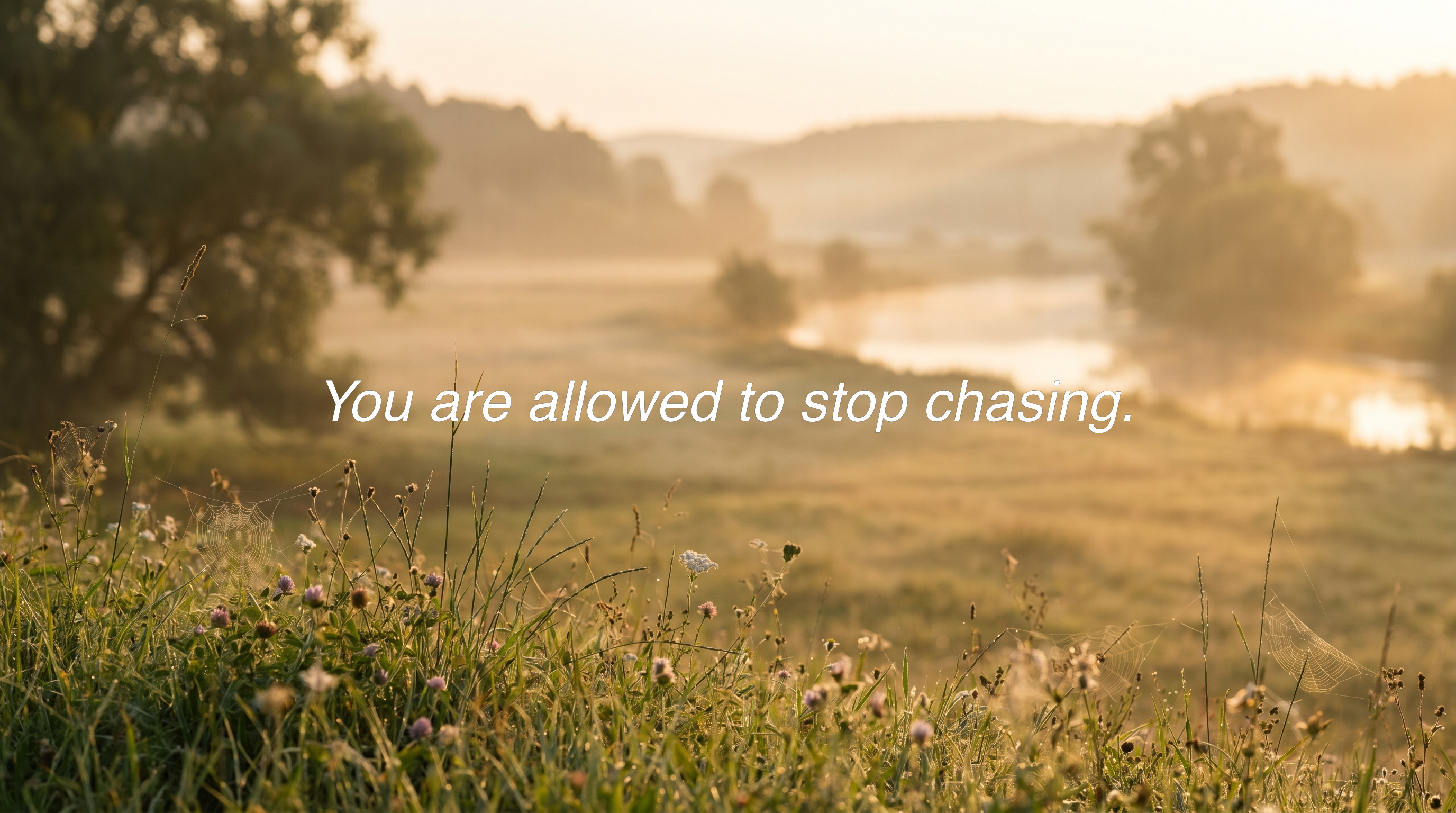
So today, let's notice the pennies on the sidewalk—those small joys we so often step over while chasing what's next. Gratitude isn't about the grand moments; it's about being present for the ones already here. And remember:
What you just read is today's Daily Anchor, in full — and there's a new one each morning, free. If it left you noticing the small things you'd usually walk past, let me have the next one waiting for you tomorrow, so you never have to come looking.
Send me the Daily Anchor →