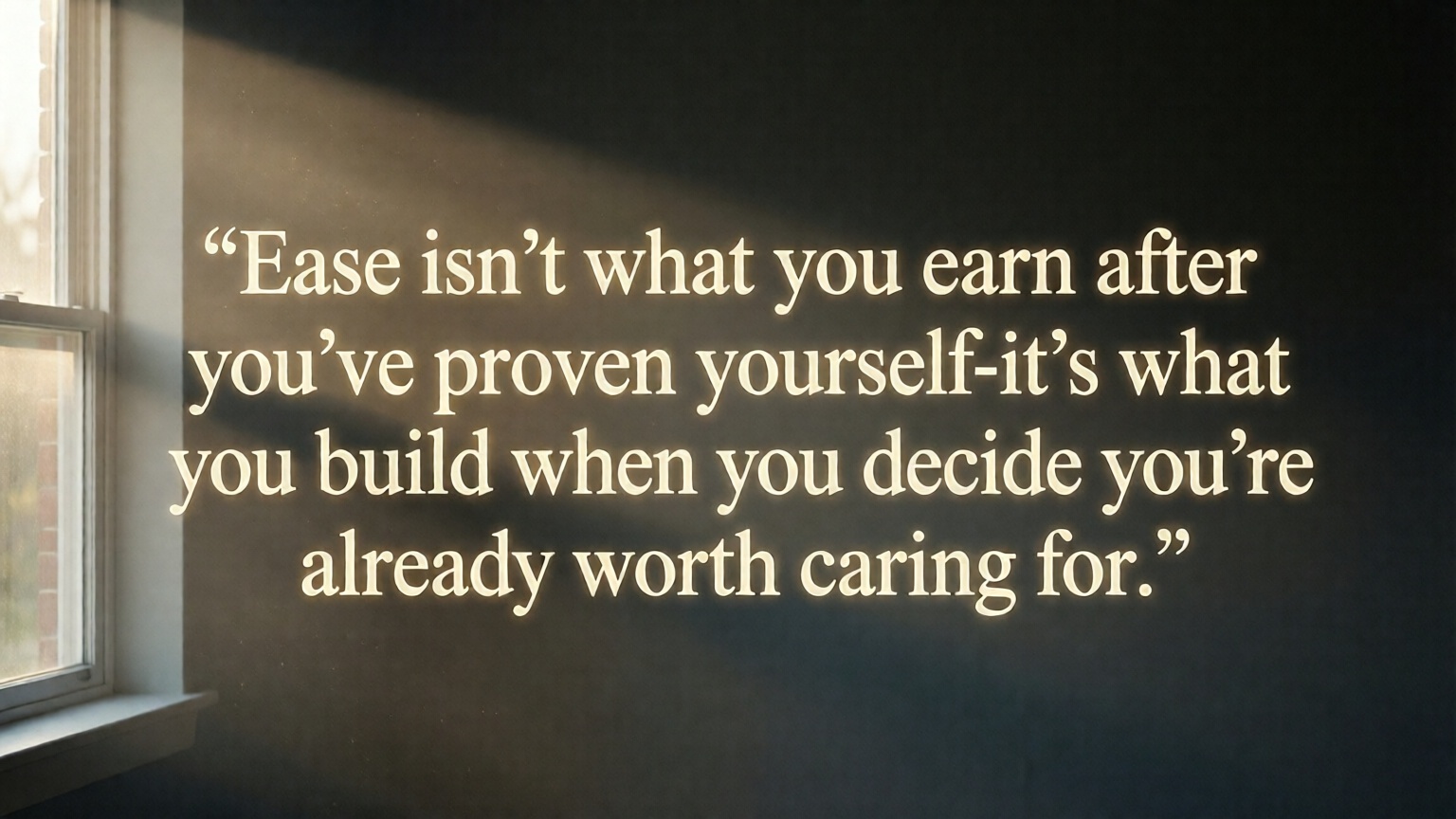
"Ease isn’t what you earn after you’ve proven yourself—it’s what you build when you decide you’re already worth caring for."
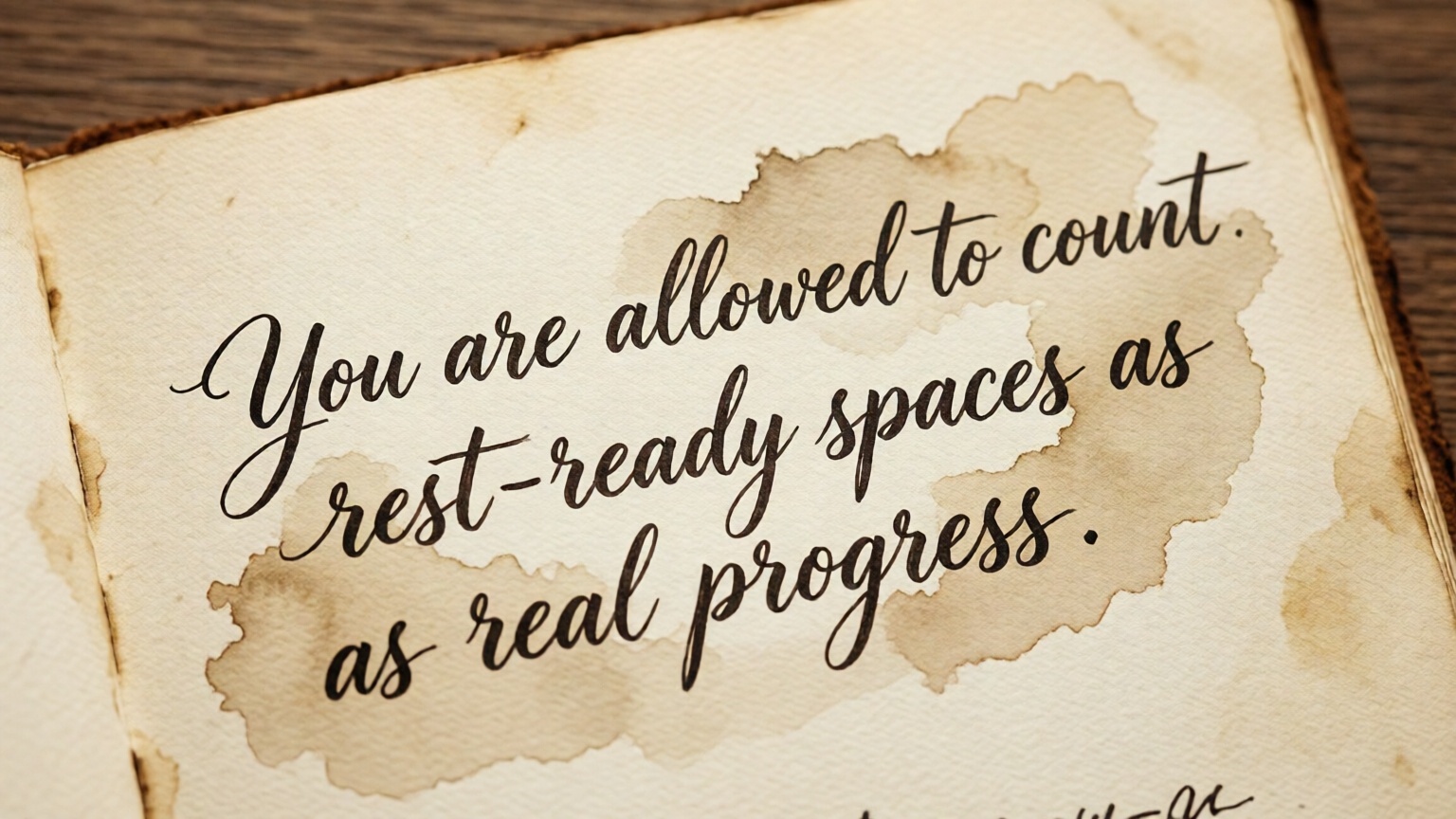
Consider how quickly “success” starts to sound like tension: tight shoulders, rushed meals, a mind that never clocks out. What if we widened the definition to include the parts of your life that feel breathable—soft schedules, honest no’s, rooms that welcome you back? Notice what shifts in you when ease counts as proof, not a prize.
When ease counts as proof, not a prize, it changes how we look at the tools we carry all day—especially the ones that quietly set the pace of our attention. Today’s tech news is a reminder that “soft schedules” and “honest no’s” may soon require more intentional design, not less.
Samsung’s plan to dramatically increase production of AI-integrated smartphones is, on paper, a familiar kind of progress story: more devices, more capability, more built-in assistance. With Gemini-backed features becoming standard at scale, AI isn’t arriving as a special upgrade—it’s becoming the default texture of daily life, the invisible hand that offers to summarize, suggest, rewrite, enhance, and optimize before we even finish a thought. Convenience, in other words, is being mass-produced.
Consider what that means for a body that’s already learned to equate “success” with tension. An always-ready assistant can be a relief—fewer small tasks, fewer frictions, more help for people juggling care work, deadlines, and the mental load of modern life. Maybe it’s a genuine step toward breathable days, where the phone does a little more so you can do a little less. But convenience can also be a kind of quiet acceleration: more prompts, more notifications disguised as improvements, more moments where the device tries to keep the conversation going when your nervous system is asking for a stop.
What if the real question isn’t whether AI phones are good or bad, but whether they’re designed to respect human stopping points? If these devices are becoming ubiquitous, the “achievement” may shift from owning the newest features to shaping the terms of use—choosing which AI tools are allowed into your day, and which ones stay outside the door. Ease isn’t automatically delivered by smarter software; sometimes ease is the boundary you set so the software doesn’t set you.
Maybe this is an invitation to practice comfort as a skill. To treat your settings, permissions, and notification choices as part of your self-care architecture—like closing a door, lowering the lights, or leaving space between commitments. As AI becomes standard, opting into ease may look less like keeping up and more like creating a phone that welcomes you back to yourself.
Samsung’s plan to double production of AI-integrated smartphones in 2026 is a quiet milestone: AI won’t feel like an “upgrade” anymore—it’ll be the default setting of daily life. That could bring real relief (less mental load, fewer little tasks), but it also raises a human question: do these tools respect our stopping points, or do they keep nudging our attention forward until “convenience” becomes a new kind of tension? Consider reaching out to someone today—not to debate whether AI is good or bad, but to name what you’re noticing in your body and routines. When technology starts setting the pace of our days, community becomes a form of protection and possibility: we learn each other’s boundaries, share what’s working, and remember we’re allowed to build ease on purpose—not earn it later. What if today you treated connection as part of our collective response to the AI age? You might discuss which phone features actually create breathing room versus which ones quietly accelerate you—and then trade one small “ease setting” you’ll both try this week. Alone, it’s easy to adapt in silence. Together, we get to choose the terms.
Consider this reframe: when you notice ease—a clear schedule, a calm breath, a chair that supports you—silently name it as something you built, not something you stumbled into. Ask yourself, “What did I choose (or let go of) that made this comfort possible?” Let the answer be evidence that comfort can be an achievement, not a guilty indulgence.
As AI becomes the default in our pockets, we remembered that real progress isn’t just more capability—it’s more care in how we live. Comfort as Achievement means we build ease on purpose, not as a prize for pushing through. So before we log off, let’s let that land.